News
Stay up-to-date with key news about theatres and the issues that affect them across the UK.
-
 Deadline extended for Great British Theatres AwardsDeadline extended for Great British Theatres Awards
Due to numerous requests, we have extended the entry period until the end of June.
-
 House of Lords debate on national arts bankHouse of Lords debate on national arts bank
Theatres Trust supports Lord John of Southwark’s call to establish a bank to offer favourable loans to theatres.
-
 Great British Theatres Awards Judging PanelGreat British Theatres Awards Judging Panel
We are proud to announce the fantastic panel, which brings together leading voices from architecture, theatre, sustainability and placemaking.
-
 Fifty@50 - marking our 50th anniversaryFifty@50 - marking our 50th anniversary
In our anniversary year, we are highlighting 50 of the theatres we've helped over our half century of supporting the UK's theatre sector.
-
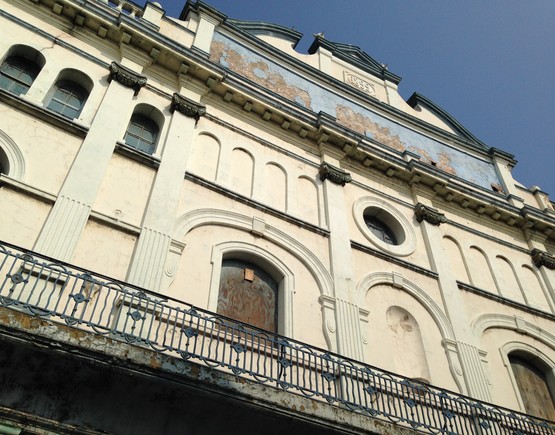 Positive news for Theatre at Risk Doncaster GrandPositive news for Theatre at Risk Doncaster Grand
Programme of immediate works agreed by the Doncaster Grand Theatre Partnership Group.
-
 14 theatres awarded share of £95k for futureproofing projects14 theatres awarded share of £95k for futureproofing projects
We are delighted to announce a further 14 theatres have received funding through the Small Grants Programme.
-
 Martyn's Law ConsultationMartyn's Law Consultation
Security Industry Authority is consulting on its role as the regulator of the Terrorism (Protection of Premises) Act and hosting a number of websites.
-
 Entries now open for the Great British Theatres AwardsEntries now open for the Great British Theatres Awards
We are delighted to announce that the inaugural Great British Theatres Awards are now open for nominations.
-
 48 theatres and arts centres secure Creative Foundations Fund grants48 theatres and arts centres secure Creative Foundations Fund grants
Good news for the theatre sector in the first round of the government’s major capital funding programme.
-
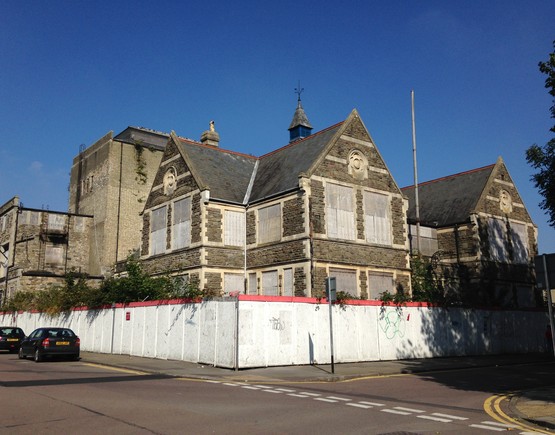 Fire at Swindon Mechanics' InstituteFire at Swindon Mechanics' Institute
Theatres Trust is concerned by reports of a fire in the building that is on our Theatres at Risk Register.
-
 Expansion and upgrade of Sheffield’s Crucible TheatreExpansion and upgrade of Sheffield’s Crucible Theatre
Theatres Trust welcomes the £45m investment in the iconic venue.
-
 Closure of Seven Dials PlayhouseClosure of Seven Dials Playhouse
We are supporting stakeholders and interested parties to find a way forward for this important part of the theatre ecosystem.